
Click HERE To Buy Zoloft Online ↓
 Zoloft Withdrawal: Safe Tapering Strategies
Recognizing Zoloft Withdrawal Versus Relapse Symptoms
When I tapered, mornings felt like static, a twitch behind my eyes, and jittery heartbeats; sleep unraveled. Those sensations were alarming but brief and tied to dose cuts rather than a return of low mood. Labeling sensory, balance and sleep disruptions as withdrawal helped me avoid premature dose increases.
Withdrawal commonly causes dizziness, electric-shock sensations, nausea, vivid dreams and irritability within days to weeks after a reduction. Relapse of depression or anxiety brings persistent low mood, hopelessness, anhedonia and escalating anxiety that worsens function over weeks.
Track symptoms daily, note timing and quality, and share patterns with your prescriber; brief sensory symptoms resolving within weeks point to withdrawal, whereas persistent affective decline that sabotages routines suggests relapse and may need treatment change or reinstatement and prompt discussion about options soon.
| Feature | Typical |
|---|---|
| Onset | Days to weeks |
| Symptoms | Sensory vs affective |
Collaborating with Your Prescriber for Safe Taper
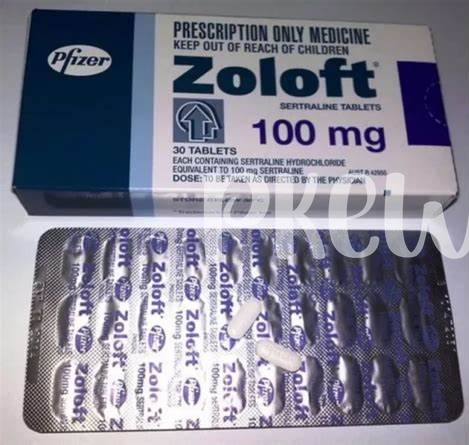
When I told my clinician I wanted to stop zoloft, she listened to my fears and mapped my treatment history. Together we reviewed doses, duration, past withdrawal reactions and current stressors. The conversation felt like plotting a map; we identified milestones and signs to watch.
A safe taper is individualized: gradual reductions, flexible timing and contingency plans. Your prescriber can recommend percent decreases and spacing, and whether bridging with alternative formulations or temporary symptomatic meds is needed. Regular check-ins, mood scales and brief self-report logs help detect early relapse or withdrawal so adjustments are timely.
Trust and shared decisions matter: agree on goals, document the plan, and set emergency contacts and thresholds for slowing or pausing reductions. Bring a support person to appointments, keep records accessible, and schedule follow-up for months after discontinuation to guard recovery and address lingering effects.
Evidence-based Taper Schedules: Slow Reductions and Timing
Many people describe tapering as a slow, deliberate journey rather than a race; tracking mood, sleep and sensory changes helps guide pace and keeps anxiety manageable. Clinicians increasingly favor small, measured reductions because abrupt changes often trigger discomfort.
For zoloft and other SSRIs, research and clinical experience support gradual decreases—often using percentage-based reductions rather than fixed milligram drops—and spacing steps to allow adjustment. Hyperbolic tapering, which reduces dose proportionally, can better match serotonin receptor dynamics.
Timing matters: slower tapers over weeks to months reduce withdrawal risk, and intervals should lengthen if symptoms recur. Flexibility and patience are key.
Work closely with your prescriber, document responses, and plan to pause or slow taper to prioritize stability.
Dose Forms, Microdosing, and Alternative Taper Techniques

Many people find that changing how they take zoloft can make tapering feel less abrupt. Tablets can be split or crushed and measured, and liquid formulations allow tiny adjustments. If available, pharmacists can compound intermediate doses so reductions are gradual rather than sudden, easing nervous-system adaptation.
Microdosing approaches—using tapering strips, liquid titrations, or pharmacy compounding—permit reductions measured in milligrams. Many clinicians recommend decreasing by small percentages over weeks to months, monitoring symptoms closely. This individualized pacing reduces rebound and helps distinguish withdrawal from recurrence, especially for long-term users.
Alternative techniques include gradual pill-cutting schedules, alternating day dosing, or transitioning to a liquid for micro-titration; none are one-size-fits-all. Keep a symptom diary, set clear check-ins with your prescriber, and allow extra weeks if withdrawal lingers. Patience and small, reversible steps are the safest path off zoloft and seek peer support groups.
Managing Withdrawal Symptoms: Nonpharmacologic and Symptomatic Strategies
During tapering many find that small rituals and pacing provide surprising relief; for example, gentle exercise, sleep hygiene, and grounding techniques can ease dizziness, brain fog, and anxiety. Keeping a daily symptom diary helps distinguish transient withdrawal from returning depression and gives clinicians concrete data. Mindful breathing, progressive muscle relaxation, and gradual reintroduction of routines restore a sense of control and reduce catastrophizing when zoloft doses change.
Symptomatic treatments — from hydration and anti-nausea measures to short-term use of sleep aids under supervision — can make uncomfortable days manageable. Cognitive strategies, peer support groups, and clear emergency plans lower the stakes and help prevent misinterpreting withdrawal for relapse. Communicate regularly with your prescriber about symptom patterns; small dose adjustments or brief adjunctive medications, used judiciously, often bridge difficult periods and support a successful, sustainable taper and improve long-term overall wellbeing.
| Symptom | Simple strategy |
|---|---|
| Nausea | Hydration, ginger |
Planning Support, Relapse Prevention, and Long-term Follow-up
Leaving a medication that has supported you can feel unsettling; map out supports before you reduce your dosage. Share your plan with a prescriber and friends, and schedule check ins so departures from baseline mood or function are noticed early.
Develop relapse prevention strategies: identify early warning signs, maintain therapy or support groups, and keep coping tools such as sleep hygiene, scheduling, and grounding exercises readily accessible. Consider a written crisis plan with emergency contacts and steps to take if symptoms reemerge.
Long term follow up includes periodic mental health reviews, outcome tracking, and revisiting medication decisions if benefits outweigh risks. Regular reassessment helps distinguish transient withdrawal from true relapse and preserves gains during recovery.