
Click HERE To Buy Tadarise Online ↓
 Tadarise Dosage Guide: Finding Your Effective Safe Dose
How the Drug Works in Your Body
On initial dose you may notice subtle warmth and confidence as blood flow increases to specific tissues; effects often begin within an hour and vary individually for users.
Pharmacologically, it blocks an enzyme that normally degrades a signaling molecule, raising cGMP levels and relaxing smooth muscle; the result is improved circulation supporting function when stimulated in practice.
Onset timing and duration depend on dose, metabolism and meals; liver enzymes (notably CYP3A4) break it down, so grapefruit and some drugs can prolong effects and risk serious interactions.
Because responses vary, clinicians recommend starting low and using when desired stimulation occurs; seek urgent care for chest pain, sudden visual changes, fainting or erections lasting over four hours.
| Parameter | Typical |
|---|---|
| Onset | 30–60 min |
| Peak | 1–2 hours |
| Half-life | ~5 hours |
Determining Starting Dose Based on Personal Factors
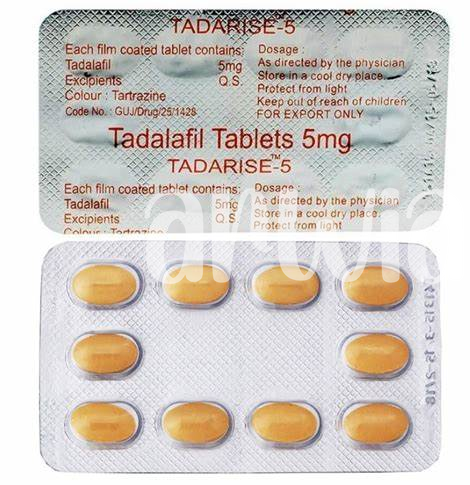
You begin by noting your medical history, age, liver and kidney health, and other medications; these shape the initial tadarise dose. Starting low lets you gauge response while limiting risk, especially if chronic conditions or interacting drugs exist.
Weight, alcohol use, and prior experience with PDE5 inhibitors also inform selection. A clinician may recommend a conservative dose for first use, then reassess efficacy and side effects after several attempts to refine the plan.
Track responses — timing, firmness, and any discomfort — and report them. If you have heart disease, nitrates use, or sudden vision changes, stop and seek urgent care. Thoughtful, documented feedback helps your clinician tailor the tadarise dose safely and effectively for long-term success.
Adjusting Dose Safely to Find Effective Results
When I began using tadarise I treated dose changes like a careful experiment: small steps, clear notes, and patience. Start at the lowest recommended dose and give each dose several attempts before judging effectiveness. Never double a missed dose; instead stick to the schedule advised by your clinician.
Increase the dose only in modest increments, your clinician can suggest safe intervals, and wait at least a week or two to observe benefits and side effects. Track erections, timing, and any headaches or flushing, and consider a simple log to compare before and after effects.
Avoid mixing with nitrates or alcohol, contact your prescriber about severe reactions or prolonged erections, and seek emergency care if needed.
Managing Side Effects and When to Seek Help

At first I noticed light headaches and flushing after taking tadarise; tracking timing and severity helped me separate normal adjustment from worrying signs.
Start low, record symptoms, and avoid alcohol or nitrates; these steps reduce risks and clarify whether effects are expected or harmful later.
Seek immediate care for chest pain, fainting, sudden vision loss, or prolonged erection; these are red flags requiring urgent medical attention promptly.
Discuss any concerns with your clinician, share your symptom log, and adjust dose only under guidance to balance benefit and safety over time.
Interactions with Other Drugs and Lifestyle Considerations
When I started tadarise, I thought it was a simple fix, but learned my routine and other medications shape its effects. Awareness helps avoid surprises.
Talk with clinicians about nitrates, alpha blockers, and common supplements; these can interact unpredictably. Timing doses, avoiding alcohol excess, and honest medication lists reduce risk significantly and enable safer adjustments.
Lifestyle choices matter: late heavy meals, smoking, or sleep deprivation blunt benefits. Track patterns, try small habit shifts, and note whether tadarise feels stronger on rested, low-stress days for you.
If side effects or unexpected drops in blood pressure occur, pause and seek advice promptly. Carry information on current meds, and ask about safe alternatives or dose timing adjustments soon.
| Agent | Concern |
|---|---|
| Nitrates | Severe blood pressure drop |
| Alpha blockers | Increased hypotension risk |
| Alcohol | Lowered effectiveness, dizziness |
Monitoring Progress and Communicating with Your Clinician
Keep a simple log of when you take the medication, erection quality, duration, onset time and any adverse symptoms; objective details make it easier to evaluate effectiveness than vague impressions. Note situational factors, such as alcohol intake, food, stress, and partner feedback, and track blood pressure readings if advised. Over several weeks patterns emerge that guide dose adjustments or alternative strategies.
Bring your log to appointments and describe benefits and side effects honestly; clinicians need concrete examples to tailor dose, tests or referrals. Discuss all medications, supplements and health changes, and ask whether blood pressure checks or lab tests such as testosterone are recommended. Learn red flags like prolonged painful erection, chest pain, or sudden vision or hearing loss and seek emergency care if they occur. Agree a reassessment timeline and steps for gradual dose changes so adjustments remain safe.