
Click HERE To Buy Propecia Online ↓
 Propecia Myths Busted: Separating Fact from Fiction
How Propecia Works: Science Behind the Pill
Imagine a tiny chemical locksmith quietly slowing a procession of hormones that thin hair. The active ingredient binds and blocks 5α‑reductase type II, the enzyme that converts testosterone into dihydrotestosterone (DHT). Lower DHT in the scalp eases miniaturization of hair follicles, letting existing hairs thicken and new growth emerge over months. Results are gradual: measurable changes usually appear after three to six months, with clearer benefit by one year.
Because finasteride targets a specific enzyme, systemic hormone shifts are small at the standard 1 mg dose, which helps explain its favorable safety profile when monitored. Side effects are uncommon and often reversible after stopping the drug. Clinically, the pill complements topical treatments and is most effective for men with early to moderate androgenetic alopecia. Physicians use baseline evaluation and follow‑up to tailor therapy and track response over time and outcomes.
| Target | Primary effect |
|---|---|
| 5α‑reductase II | Reduces DHT, slows follicle miniaturization |
Common Myths about Propecia Side Effects Debunked
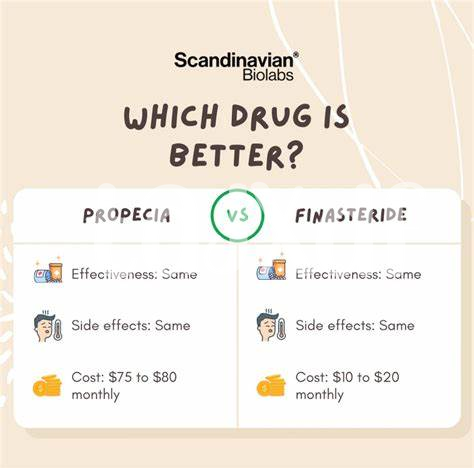
Many people fear irreversible harm from propecia, but evidence paints a more nuanced picture. Trials show sexual side effects occur in a minority and often improve after stopping the drug.
Claims of permanent dysfunction gained traction from anecdote and select case reports, but large controlled studies find persistent problems are rare and causation is difficult to establish.
Other myths—like dramatic mood crashes or broad infertility—ignore dose, duration, and individual risk factors. Careful monitoring and informed consent convert fear into manageable risk.
Discuss concerns with a clinician, weigh personal priorities, and remember that many users experience meaningful hair preservation with minimal lasting harm. Ongoing research continues to refine our understanding and reassure patients about safety globally
Long-term Safety Evidence Versus Alarmist Claims
Years of clinical trials and follow-up studies have shaped our understanding of the propecia risk profile, showing most adverse events are transient, resolve after stopping the drug, and are tracked in long-term registries.
Large cohort studies and meta-analyses find no consistent signal for widespread, permanent harm in the majority of users, though rare persistent cases are reported and deserve careful investigation.
Regulatory agencies continuously review new data; updates tend to refine warnings rather than overturn decades of evidence, emphasizing informed consent and patient monitoring while research continues to refine understanding.
Clinicians balance benefits and risks by screening for contraindications, discussing realistic expectations, and scheduling follow-ups so patients can make decisions grounded in measured evidence, not alarm.
Fertility Concerns: What Research Actually Shows
Many men worry that a hair-loss pill will harm their ability to father children, but large studies tell a reassuring story. Research on propecia and finasteride shows no consistent, long-term reductions in testosterone or sustained infertility. Some trials reported temporary declines in semen volume, sperm concentration or motility in a small fraction of men, usually dose-related and reversible after stopping treatment.
Clinicians advise discussing family plans before starting therapy and obtaining baseline semen testing when concerns exist. Persistent infertility reports are rare and not clearly linked causally; research continues. For most men, any semen changes resolve within months of discontinuation. Shared decision-making helps weigh benefits against potential, temporary, reproductive effects and explore alternatives when needed.
Side Effects Frequency: Separating Rare from Expected
Patients often fear dramatic effects, but context matters: propecia's most reported complaints are mild and often transient. Understanding baseline rates clarifies what is expected.
Clinical trials track frequency precisely; sexual dysfunction appears in a small percentage, usually improving with continued use or after stopping. Placebo comparisons illuminate true excess risk.
Serious adverse events are far rarer than headlines suggest. Monitoring and communication with doctors minimize risk. Patients should report persistent symptoms promptly.
Realistic expectations, awareness of timing, and dose adherence help distinguish expected annoyances from rare complications in everyday practice.
| Effect | Observed |
|---|---|
| Reduced libido | Low% |
| Erectile dysfunction | Low% |
| Serious events | Very rare |
Guidelines for Use: Who Benefits Most Today
Men experiencing early male-pattern hair loss often see the most measurable gains with this medication; starting treatment when hair is thinning rather than long gone increases the likelihood of stabilization and modest regrowth. Doctors typically recommend it for adult men with confirmed androgenetic alopecia and discourage use in women and children.
Expect realistic outcomes: maintenance of existing hair is the primary goal, with noticeable thickening possible after several months. Baseline assessment, informed consent, and periodic follow-up help tailor therapy and catch uncommon adverse effects early.
Contraindications and drug interactions must be reviewed; fertility questions should be discussed, and those planning pregnancy should choose alternatives. Shared decision-making yields the best long-term adherence and satisfaction overall today.