
Click HERE To Buy Pepcid Online ↓
 Pepcid Vs. Other Antacids: Which Wins?
How Pepcid Works Versus Traditional Antacid Mechanisms
Once I reached for relief and learned the difference: Pepcid blocks H2 receptors on stomach cells, lowering acid production for longer-lasting symptom control often.
Traditional antacids neutralize already-present acid, delivering fast relief; their chemical bases like calcium or magnesium act immediately but wear off relatively quickly.
| Type | Mechanism |
|---|---|
| Pepcid | H2 blocker |
| Antacid | Neutralizes existing acid |
Understanding mechanisms helps you choose fast neutralizers or longer suppression with Pepcid when clinically appropriate.
Speed of Relief: Pepcid Compared to Antacid Options
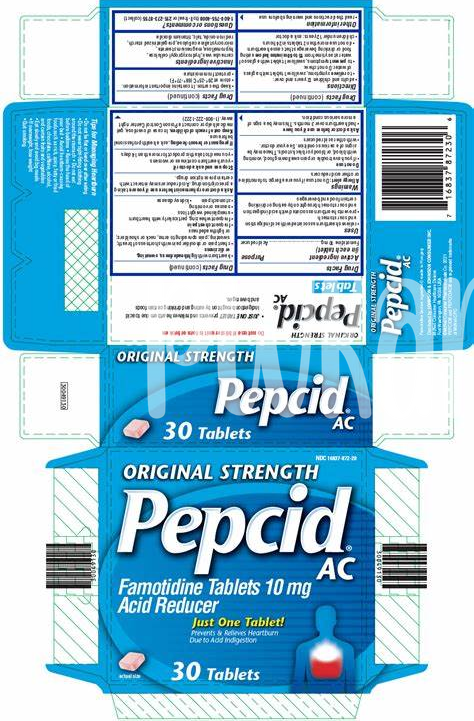
Reaching for a chalky chewable is satisfying when heartburn strikes: antacids like Tums or Maalox neutralize acid within minutes and sting subsides almost immediately. Pepcid works differently—famotidine blocks acid production rather than neutralizing it, so relief often begins more slowly, usually within thirty to sixty minutes.
For predictable reflux or overnight control, pepcid shines: its effect lasts hours and can prevent symptoms when taken ahead of a trigger. Antacids win for sudden flare-ups, but for sustained comfort and planning, H2 blockers are the smarter choice for many people, consistently effective.
Duration of Action: Longer Relief with H2 Blockers?
I once chewed an antacid at dinner and felt relief within minutes, only to have heartburn return before bedtime. Quick neutralization works fast, but fleeting comfort highlights why prefer longer acting options like H2 blockers.
pepcid, an over the counter H2 blocker, often begins lowering acid within thirty to sixty minutes and can provide relief lasting eight to twelve hours. That sustained effect contrasts sharply with brief antacid coverage instead
For nighttime reflux I resort to an H2 dose before bed, extending calm through the night. Antacids still shine for sudden flare-ups, while proton pump inhibitors act slower but ultimately suppress acid for longer stretches.
Choosing between quick neutralization and hours long control depends on your pattern: occasional heartburn benefits from antacids, recurring symptoms often respond better to pepcid and similar H2 blockers. Discuss persistent problems with a healthcare provider.
Side Effects and Safety: Pepcid Versus Competitors
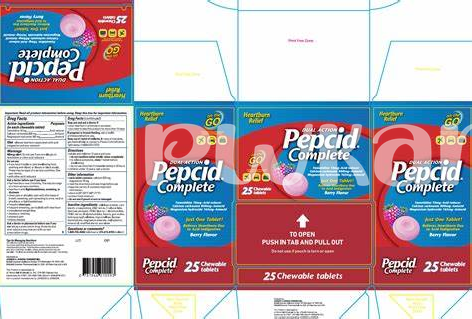
Choosing a reflux remedy involves weighing risks. pepcid typically causes mild, infrequent adverse effects like headache or dizziness, whereas some antacids can trigger constipation, diarrhea, or electrolyte shifts with overuse.
Long-term safety differs: H2 blockers like pepcid can interact with medications and carry rare cognitive or infection risks in older adults, while chronic antacid use may impair mineral absorption too.
Before switching treatments, discuss allergies, kidney disease, and pregnancy with a clinician. Monitoring and correct dosing helps minimize harms and ensures the best personalized acid control strategy for each patient.
Cost and Convenience: Otc Availability Versus Prescriptions
A quick trip to the pharmacy often settles heartburn quicker than a doctor’s visit. For many, pepcid and other OTC options are affordable, immediate fixes, blending convenience with familiar dosing. Choosing OTC can feel empowering when symptoms are occasional and mild.
| OTC | Prescription |
|---|---|
| Low cost | Insurance may cover |
| Immediate access | Requires visit |
Consider long-term needs: OTC pills suit sporadic flares, saving money and time, while prescriptions make sense for frequent or severe reflux because they can be stronger, time-released, or covered by insurance. Discuss recurring symptoms with a clinician to balance out-of-pocket cost, dosing convenience, and potential monitoring, and that conversation helps decide whether an OTC pack or a prescription regimen is the smarter investment.
Choosing Right Treatment: When Pepcid Should Be Preferred
Imagine reaching for relief after a night of spicy food and heartburn. Pepcid often fits when excess acid production, not simple acid already in the stomach, is the problem. As an H2 blocker it reduces acid secretion and is a sensible option for frequent nighttime symptoms, meal related reflux, or when proton pump inhibitors are not needed or are unsuitable.
Healthcare providers may favor it for people who want longer control than antacids provide but prefer OTC dosing. It is useful before sleep or long gaps between meals and when mineral antacids cause side effects. Always check for drug interactions and discuss dosing with a pharmacist or clinician to be sure it matches individual needs.