
Click HERE To Buy Nolvadex Online ↓
 Myths and Facts about Nolvadex Debunked
Common Misconceptions about Nolvadex and Estrogen Control
People often imagine Nolvadex as an on/off switch for estrogen, a simplistic view born from gym lore and online echo chambers. In reality, tamoxifen is a selective estrogen receptor modulator that blocks receptors in some tissues while mimicking estrogen in others, so its effects depend on context, dose and timing. Assuming it eliminates estrogenic problems or can safely replace aromatase inhibitors is misleading.
A second myth claims dosing is universal; clinicians tailor use based on goals and physiology, not anecdotes. Side effects such as hot flashes and blood clot risk are real but manageable with monitoring; saying Nolvadex is 'safe for everyone' or 'always harmful' ignores nuance.
| Myth | Fact |
|---|---|
| Blocks all estrogen | Selective receptor effects |
How Nolvadex Actually Works in the Human Body
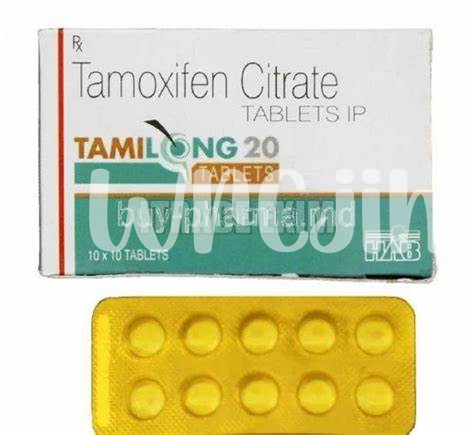
Imagine a key slipping into a lock and stopping a door from opening — that's what happens when tamoxifen meets estrogen receptors in sensitive tissues. As a selective estrogen receptor modulator, it binds those receptors, blocking estrogen-driven gene triggers that encourage cell growth in the breast. In some tissues it behaves like estrogen, in others like an antagonist; this dual nature explains both protective effects and unique side effects.
In the body, nolvadex is processed into active metabolites that sustain receptor binding over weeks, so effects build slowly and persist after stopping treatment. Because it’s tissue-selective and has a long effective lifespan, timing and context matter: dosing patterns affect outcomes, and benefits or risks differ between cancer therapy, fertility management, and off-label performance use. Understanding metabolism, receptor dynamics, and clinical purpose clarifies expectations and counters myths. It supports safer, evidence-based decisions.
Safety Profile: Risks, Side Effects, Long-term Myths
Stories about dramatic damage from nolvadex travel fast, but context matters: dose, duration and individual risk determine outcomes. Used appropriately, it’s a targeted estrogen modulator rather than a blunt hormonal weapon. Understanding common versus rare reactions helps separate sensational claims from realistic expectations.
Typical short-term effects include hot flashes, mood shifts, nausea and joint cramps; uncommon but serious risks—venous thromboembolism and endometrial changes—require vigilance, particularly in older women or those with clotting disorders. Reports of permanent infertility or irreversible organ damage are largely unsupported by clinical data.
Risk mitigation is straightforward: baseline screening, periodic monitoring and prompt evaluation of symptoms. Collaboration with a clinician ensures appropriate indication, dose and duration; many users tolerate nolvadex well when managed correctly. Long-term studies support monitored use and inform individualized risk–benefit discussions with clinicians directly.
Misunderstood Dosing and Timing for Optimal Results

An athlete once told me he took nolvadex and blamed poor recovery on the drug; the truth is timing and dose matter. Typical post-cycle regimens use 20–40 mg daily for several weeks, while lower doses (10–20 mg) can manage gynecomastia risk during cycle. When to begin depends on drug half-lives: short esters may allow PCT after two weeks, whereas long esters or injectable aromatase dynamics require waiting three to four weeks before initiating therapy.
Optimal results come from individualized plans, not one-size-fits-all rules. Most protocols run 4–6 weeks, with clinicians adjusting dose and duration to hormone tests, symptoms, and side effects. Abrupt changes or unnecessary extensions can reduce benefit or increase risks. Always document liver function and lipids, watch for hot flashes or mood shifts, and consult a healthcare professional before starting or altering therapy to ensure safety and effectiveness.
Comparing Nolvadex with Other Serms and Ais
Once I watched a seasoned coach weigh trade-offs between symptom control and performance, it became clear that choosing a compound is as much about context as chemistry. Nolvadex often sits in the middle ground: it selectively blocks estrogen receptors in breast tissue while sparing bone density and lipid profiles, offering a gentler profile than some potent aromatase inhibitors.
On the other hand, aromatase inhibitors reduce overall estrogen production, which can be more effective for systemic suppression but raises fracture and lipid concerns. Clinical goals, side-effect tolerance, and timing—post-cycle versus chronic management—determine the better fit. Discussing personal risks and lab monitoring with a clinician makes the choice evidence-based and safer today.
| Drug | Use |
|---|---|
| nolvadex | Modulates estrogen |
Practical Guidance on When and Who Benefits Most
Imagine a treatment room where decisions are patient-centered. Nolvadex is most clearly beneficial for people with estrogen-receptor–positive breast cancer, reducing recurrence risk and improving long-term outcomes when prescribed alongside standard therapy. Age, cancer subtype and concurrent treatments shape benefit.
Beyond oncology, clinicians sometimes consider it for specific hormonal imbalances in men and women, or to manage certain side effects like gynecomastia, but evidence and indications differ. Research is ongoing, so anticipated advantages evolve.
Timing matters: benefits align with accurate diagnosis, receptor testing, and coordinated care rather than ad-hoc use. Off-label or self-directed use increases risk and yields uncertain benefit. Routine lab monitoring helps detect problems early.
Discuss options with an oncologist or endocrinologist; personalized assessment, monitoring and shared decision-making determine who truly benefits. Safety, goals and alternatives should guide any plan. Never substitute online advice for clinical evaluation; seek supervision.