
Click HERE To Buy Mobic Online ↓
 Long-term Mobic Use: Risks and Monitoring Strategies
How Mobic Works and Long-term Body Effects
Years of taking a small yellow pill can feel like continuity against chronic pain; it reduces inflammation by blocking cyclooxygenase enzymes, especially COX‑2, lowering prostaglandin production that drives pain and swelling.
That targeted action helps joints and mobility, but long-term use shifts balance in blood vessels and platelets, subtly increasing risks of hypertension, heart attack, and stroke over months to years.
Prostaglandin suppression also impairs gastric protection and renal perfusion; chronic exposure can cause ulcers, bleeding, fluid retention, and reduced glomerular filtration, especially in older adults or those with existing kidney disease.
Regular assessment of blood pressure, renal function and GI symptoms helps preserve benefit, catching harm early; shared decisions keep care aligned to priorities.
| Effect | Potential Long-term Risk |
|---|---|
| Cardiovascular | Hypertension, MI, stroke |
| Gastrointestinal | Ulceration, bleeding |
| Renal | Reduced GFR, fluid retention |
Recognizing Cardiovascular Risks with Prolonged Mobic Use

An everyday pain tablet can feel benign, but prolonged mobic exposure subtly raises cardiovascular stakes: studies link it to increased blood pressure and a small but meaningful rise in heart attack or stroke risk, notably at higher doses or in those with existing heart disease. Ongoing assessment of cardiac risk factors is prudent.
Watch for chest pain, breathlessness, sudden weakness, or unexplained swelling and seek urgent care. Clinicians should perform regular blood pressure checks, reassess overall cardiovascular risk, and discuss whether continued mobic therapy remains the safest option by clinicians.
Gastrointestinal Complications: Prevention, Signs, and Management
Years of using mobic for chronic pain can sneak up on the stomach; patients and clinicians should watch for subtle changes such as persistent indigestion, black or tarry stools, vomiting blood, unexplained fatigue, or a sudden drop in hemoglobin. Early symptoms often include gnawing epigastric pain, heartburn, or reduced appetite. Narratives of someone dismissing mild dyspepsia and later needing hospitalization underline why timely recognition matters.
Prevention hinges on using the lowest effective dose, limiting duration when possible, and avoiding concomitant anticoagulants or steroids unless necessary. Consider testing for H. pylori, co-prescribing a proton pump inhibitor for high-risk individuals, and advising avoidance of alcohol and NSAID combinations. If bleeding or severe pain occurs, stop mobic and seek urgent care; mild symptoms warrant prompt outpatient evaluation, hemoglobin checks, and endoscopy referral when red flags persist and coordinate with primary care or gastroenterology.
Kidney Health: Monitoring Renal Function on Mobic
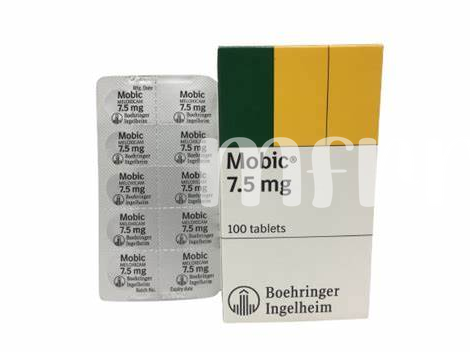
Chronic use of mobic can subtly stress kidneys, especially in older adults or those on diuretics, ACE inhibitors, or with heart failure. Start with a baseline serum creatinine and eGFR, check electrolytes and BUN, and re-evaluate within 1–2 weeks of starting or dose change. Watch for reduced urine output, swelling, dizziness or sudden weight gain as early clinical clues.
Longer-term surveillance every 3–6 months is reasonable for at-risk patients; more frequent checks if volumes change, intercurrent illness, or new interacting drugs occur. Promptly stop or reduce mobic and correct dehydration if creatinine rises or potassium elevates. Communicate symptoms and lab trends with clinicians to prevent irreversible injury and consider nephrology referral for persistent decline, promptly.
Interactions and Polypharmacy Risks with Mobic
A patient juggling prescriptions learned a hard lesson when a new pain tablet changed lab results and caused lightheadedness. This anecdote shows interactions are not abstract—real people experience additive harms when drugs overlap.
Nonsteroidal anti-inflammatory drugs can potentiate bleeding with anticoagulants, blunt antihypertensive effects with diuretics, and raise lithium or methotrexate levels. Consider cytochrome enzyme effects and protein binding when evaluating combinations.
Practical steps are simple: maintain an updated medication list, review over-the-counter supplements, use a pharmacist consultation, and avoid duplicative analgesics. Monitor symptoms like overt bruising, swelling, dizziness, or gastrointestinal upset.
Coordination matters: tell every provider you take mobic, especially before surgery or when starting antidepressants or diuretics. Regular review reduces surprises and supports targeted monitoring. Seek urgent care for severe abdominal pain, black stools, sudden breathlessness, or markedly reduced urine output and persistent dizziness.
| Drug | Effect |
|---|---|
| Warfarin | Bleeding |
Practical Monitoring Plan: Labs, Schedules, and Red Flags
Start with baseline tests: CBC, serum creatinine and eGFR, BUN, electrolytes, liver enzymes, and blood pressure. Repeat renal and liver panels two to four weeks after starting or dose change, then every three to six months while stable. For those with cardiovascular or GI risk, add a baseline ECG and fecal occult blood testing; involve primary care or cardiology when indicated.
High risk patients, older adults, those with heart disease, CKD, or concurrent anticoagulants or steroids, need closer follow-up: check serum creatinine and electrolytes within one to two weeks, then monthly for the first three months, transitioning to quarterly reviews. Document weight, edema, and blood pressure at each visit, and reconcile medications to avoid harmful interactions.
Teach red flags: chest pain, breathlessness, black or bloody stools, scant urine, confusion, rapid weight gain—stop drug and seek urgent care; keep scheduled labs.