
Click HERE To Buy Mebendazole Online ↓
 Mebendazole Resistance: Causes and Prevention Strategies
How Parasites Evolve Resistance to Benzimidazole Drugs
Field reports often begin with a lone treatment failure, a small clue that parasites are adapting under drug pressure, steadily over time.
Selection favors worms carrying beta-tubulin mutations that reduce drug binding, allowing those genotypes to reproduce and spread within hosts rapidly.
Population bottlenecks during treatment and gene flow between communities shape resistance patterns, while fitness costs may modulate how quickly resistance fixes locally.
Practical surveillance and informed prescribing can slow adaptation, but without stewardship and alternatives, evolutionary pressures will keep rapidly driving reduced drug efficacy.
| Mechanism | Outcome |
|---|---|
| Mutation | Survival |
Genetic Mechanisms Driving Anthelmintic Drug Resistance
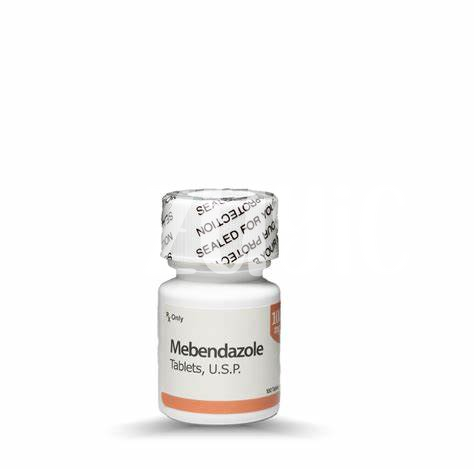
A single mutation can change a worm's fate: point mutations in beta tubulin genes alter drug binding and render treatments like mebendazole less effective. Over time, these alleles rise in frequency under drug pressure, transforming populations that were once susceptible.
Beyond single nucleotide changes, resistance emerges via gene amplification, altered expression of detoxification enzymes, and upregulation of membrane transporters that expel drugs. Genetic diversity and standing variation accelerate adaptation, while sexual recombination and migration shuffle resistant alleles between communities.
Understanding these mechanisms informs molecular surveillance and guides combination therapies designed to slow evolution. Recognizing fitness costs and compensatory mutations also helps predict persistence of resistance and prioritize interventions that extend drug utility, preserving treatment options.
Clinical Consequences: Treatment Failures and Public Health
A patient returns to clinic after repeated courses of mebendazole with persistent symptoms; what began as an isolated failure has become a repeating narrative across communities. Clinicians face difficult choices.
Such treatment failures prolong morbidity, increase parasite transmission, and undermine confidence in control campaigns. Communities may experience outbreaks that evade standard control measures.
In resource-limited settings the impact is amplified: school attendance and cognitive development suffer, economic productivity falls, and healthcare costs rise as second-line therapies are needed. Families incur debt to seek alternative therapies.
Public health responses must include improved diagnostics, adaptive treatment guidelines, robust surveillance, and education to preserve drug effectiveness and prevent resistant infections from becoming endemic. Global coordination remains urgently necessary.
Surveillance Tools: Detecting Resistance Early and Accurately

In clinics from coastal villages to urban hospitals, frontline workers rely on rapid tests to spot dwindling drug efficacy before communities suffer. Phenotypic assays like egg hatch and larval development tests pair with molecular tools—PCR and targeted SNP assays—to flag mebendazole resistant strains early. Combining point-of-care diagnostics with standardized protocols improves sensitivity and reduces false alarms and shortens response times to outbreaks.
Surveillance networks amplify impact by aggregating data across regions, using next-generation sequencing for surveillance of resistance alleles and mobile reporting apps for real-time trends. Investment in training, quality control and open data platforms ensures early, accurate action, guiding treatment policy changes, informing combination therapy trials, and protecting vulnerable populations from unnoticed treatment failures.
Alternatives and Combination Therapies to Overcome Resistance
Clinicians confronted with rising mebendazole failures now explore new drug classes and repurposed molecules to regain control. Combining agents with different targets can restore efficacy, reduce selection pressure, and shorten treatment courses. Thoughtful sequencing, dose optimization, and local epidemiology guide choices; laboratory synergy tests and pharmacokinetic matching improve chances of therapeutic success. In veterinary and human practice, single-agent reliance has proven fragile, so pragmatic mixtures and timed rotations offer buffers against resistant populations.
Robust trials are essential to define safe effective combinations and to monitor adverse events and resistance dynamics. Rapid diagnostics and molecular surveillance inform targeted use and limit unnecessary exposure. Integrated strategies combining pharmacologic options with sanitation, vector control, and education sustain long term control and protect remaining drugs. Policymakers must fund stewardship programs, expand diagnostic access, and support research so therapeutic options remain available to vulnerable communities.
| Strategy | Benefit |
|---|---|
| Drug rotation | Delays resistance |
| Combination regimens | Broaden targets |
| Diagnostics-guided use | Limits unnecessary exposure |
Prevention Strategies: Stewardship Education and Policy Measures
On a small rural clinic, a nurse described how simple habits changed parasite control: accurate diagnostics before treatment, dose accuracy, and limiting routine mass treatments preserve drug effectiveness. Community workshops taught farmers and families why overuse drives resistance and how sanitation, livestock management, and vaccination reduce infection pressure, making benzimidazoles last longer.
National guidelines, supported by accessible training and clear regulations, solidify those practices: regulated drug supply, prescription requirements, and incentives for diagnostic development and research funding. Policymakers should fund surveillance networks and integrate human and veterinary data to detect resistance trends early. When communities see the science translated into laws and resources, stewardship becomes a shared responsibility that sustains treatment options for future generations.