
Click HERE To Buy Lipitor Online ↓
 Drug Interactions with Lipitor: What to Avoid
Drugs That Raise Lipitor Levels Dangerously
I once watched a friend misread a prescription and suffer muscle pain; it began like a cramp but grew worse. That story illustrates how certain medicines can dramatically raise levels of atorvastatin, turning routine treatment into risk. Knowing which combinations are dangerous lets you act before harm starts.
Common culprits include strong CYP3A4 inhibitors such as certain antifungals, macrolide antibiotics, and HIV protease inhibitors.
| Drug | Why risky |
|---|---|
| Clarithromycin | inhibits CYP3A4 |
| Itraconazole | strong CYP3A4 inhibitor |
| Ritonavir | raises atorvastatin levels |
Before starting any new medicine, tell your provider about all prescriptions and supplements; pharmacists can flag dangerous combos and suggest safer alternatives or dose changes to keep therapy effective and safe. Carry a current medication list and review it with staff each visit.
Antibiotics and Antifungals That Amplify Side Effects
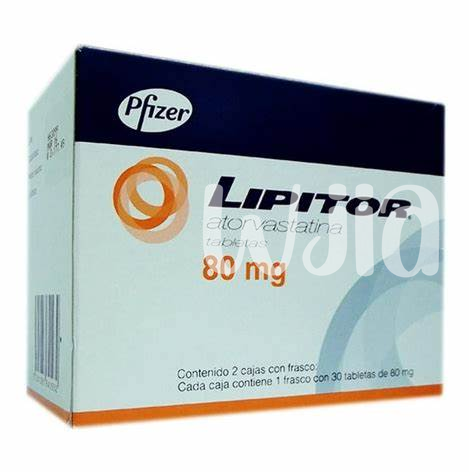
I once saw a worried patient tell me their script was changed while on lipitor. Certain antibiotics and antifungals can raise statin concentrations by blocking CYP3A4, turning routine treatment into a risk for muscle pain, weakness, or liver enzyme spikes.
Macrolides like clarithromycin and erythromycin and azole antifungals such as ketoconazole or voriconazole are common culprits. Even moderate inhibitors like fluconazole or rifampin interactions should be assessed — the result may be potentially serious myopathy, rhabdomyolysis, or significant hepatic injury.
Before adding an antimicrobial, tell your clinician about lipitor and any supplements. They may choose an alternative agent, pause the statin, or monitor creatine kinase and liver tests closely to prevent avoidable serious complications promptly.
Avoid Combining Grapefruit and Other Citrus with Lipitor
When I started lipitor, a friend warned me about the breakfast habit that could turn harmless fruit into a risk. Grapefruit and certain other citrus fruits block enzymes in the gut and liver (CYP3A4), slowing breakdown of the drug. That raises blood concentrations, increasing chance of muscle pain, liver strain, and rare but serious rhabdomyolysis. A single glass can be enough to alter levels for days.
Talk to your clinician and pharmacist before consuming citrus while on therapy; substitutions like oranges or tangerines are sometimes safer but not guaranteed. They can recommend monitoring, dose adjustments, or alternative statins less affected by CYP3A4 to preserve benefits while minimizing risk. Practical steps—avoiding juices, checking labels on cocktails and supplements, and spacing medications—are simple yet powerful ways to keep treatment effective without unexpected harm. Always report new symptoms promptly to your healthcare team.
Herbal Supplements and over the Counter Interactions
I once watched a friend reach for an herbal tea while on Lipitor, thinking natural meant harmless. That casual choice can be risky: some botanicals change how the liver processes medication, boosting drug levels and side effects.
St. John’s wort, often taken for mood, lowers statin effectiveness by speeding metabolism, while garlic and ginkgo may increase bleeding risk if paired with other heart drugs. Over-the-counter remedies like antacids or cimetidine also alter absorption.
Always tell your clinician about vitamins, iron, or calcium supplements; they can bind drugs in the gut or compete for metabolic pathways. Pharmacists can check interactions quickly and suggest safer timing or alternatives.
When in doubt, consult lab monitoring and avoid self-prescribing. Simple communication prevents surprises and keeps Lipitor working as intended without unnecessary risk. Carry an updated medication list to every appointment and pharmacy visit too.
How Anticoagulants and Heart Drugs Complicate Therapy
I once sat with a patient who took lipitor along with a blood thinner, and the chemistry of their medicines surprised us both. Combining cholesterol therapy with anticoagulants or certain antiarrhythmics can turn routine dosing into a delicate balancing act of bleeding versus clotting risk.
Warfarin levels may rise when paired with metabolic inhibitors, increasing hemorrhage danger; conversely, some heart drugs alter statin metabolism, raising muscle toxicity risk. Common culprits include amiodarone, verapamil, and diltiazem, which require dose adjustments and closer monitoring of INR, creatine kinase, and symptoms.
Talk candidly with your clinician, list every prescription and supplement, and report unusual bruising, weakness or dark urine promptly. Small changes in therapy can prevent serious events and keep lipitor benefits intact.
| Drug | Risk Action |
|---|---|
| Warfarin | Increased bleeding risk |
| Amiodarone | May raise statin levels |
| Verapamil | Monitor statin dose |
| Diltiazem | Adjust dose; monitor |
Tips for Preventing Dangerous Medication Interactions
When I first started Lipitor, my pharmacist sat me down and mapped out dangers I hadn't imagined. Listening to that short conversation saved me from muscle pain and hospital visits; a few minutes of attention can prevent major problems down the line.
Keep an up-to-date medication list — prescription, over-the-counter, supplements — and share it with every clinician. Use one pharmacy when possible so pharmacists can spot interactions. Avoid grapefruit and tell your provider about antibiotics, antifungals, herbal remedies, and warfarin. Ask for a drug interaction check whenever a new drug is prescribed.
Schedule regular lab monitoring, know warning signs like unexplained muscle weakness or dark urine, and speak up immediately if adverse symptoms start, and request dose adjustments promptly.