
Click HERE To Buy Lioresal Online ↓
 Recognizing Lioresal Withdrawal: Symptoms and Treatment
Spotting Early Signs of Sudden Baclofen Cessation
A patient wakes dizzy and notices their muscles twitching; that sudden change can feel alarming. Early signs often begin within hours to days after stopping baclofen abruptly. Family members often notice mood shifts first.
Look for insomnia, anxiety, rapid heart rate, nausea, and heightened spasticity. Seizures and hallucinations are less common but serious red flags demanding immediate care. Monitor blood pressure and breathing if symptoms escalate.
Document symptoms, note timing, and contact a clinician before altering doses. Early recognition reduces complications and speeds safe recovery. Seek emergency care for seizures.
| Symptom | Typical Onset |
|---|---|
| Increased spasticity | Hours–days |
| Insomnia, anxiety | Hours |
| Seizures, hallucinations | Days; emergency |
Common Physical Reactions after Abrupt Muscle Relaxant Stoppage

Stopping lioresal abruptly can feel like a sudden tightening: muscles that were once manageable seize into painful spasms, stiffness increases, and routine movements become difficult. These early physical shifts often arrive within hours to days.
Tremors, excessive sweating and heightened reflexes commonly follow, while insomnia and headaches disrupt sleep. Nausea, vomiting and gastrointestinal discomfort may accompany cardiovascular signs such as rapid heartbeat or elevated blood pressure, signaling escalating withdrawal intensity.
In severe cases, uncontrolled muscle activity can lead to rhabdomyolysis, elevated temperature and seizures. Autonomic instability causes sweating, blood pressure swings and dangerous heart changes. These physical escalations demand prompt medical attention to prevent complications.
Because abrupt discontinuation magnifies risks, document symptoms and contact a clinician before altering doses. Basic support such as hydration, rest and symptom-targeted treatment may help, but never restart or change lioresal without immediate medical approval.
Psychological and Cognitive Effects to Watch Closely
When people stop lioresal suddenly, the mind can react as strongly as the body. Early nights may bring racing thoughts, panic or vivid nightmares that feel disproportionate to circumstances.
Concentration slips and short-term memory gaps often follow, making routine tasks frustrating and increasing error risk at work or home.
Mood can swing from low depressive states to irritability, and in severe cases psychosis, hallucinations or suicidal thoughts may emerge. These signs require prompt attention.
Care typically involves medical reassessment, gradual tapering and sometimes psychiatric support or short-term medications to stabilize cognition and mood while monitoring safety closely, with family members and crisis teams reachable day and night if problems escalate suddenly, requiring immediate urgent intervention.
Differentiating Symptoms after Stopping Medication from Emergencies
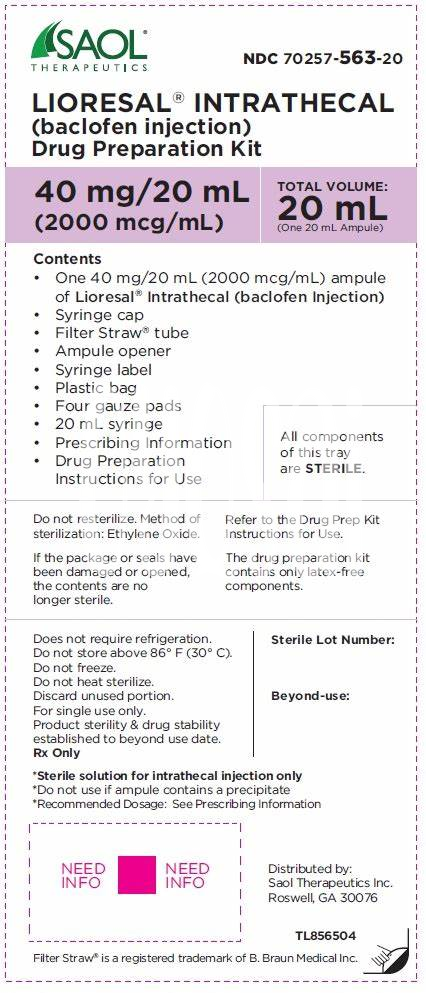
Imagine waking and feeling tremors, insomnia, and increased spasticity after stopping lioresal; these withdrawal signs often emerge within days and fluctuate. Mild shaking, heightened muscle tone, anxiety, and sleep disruption tend to evolve gradually and respond to medical tapering. By contrast, abrupt high fever, severe confusion, seizures, chest pain, or breathing trouble point to urgent medical emergencies.
Track onset, timing and progression closely, note vital signs, and seek rapid assessment if symptoms escalate. Share recent lioresal dose history and coexisting conditions to help clinicians distinguish manageable rebound from life threatening complications. When in doubt, err on the side of prompt evaluation; early intervention can prevent deterioration and guide tapering, safe resumption options and care decisions.
Evidence Based Tapering Strategies to Minimize Rebound Risk
When patients and clinicians face a sudden need to stop lioresal, a gentle, planned approach eases the body’s rebalancing. Begin by assessing dose, duration, and any coexisting conditions to craft a personalized plan.
Evidence supports gradual dose reductions over weeks rather than abrupt cessation; typical schedules cut by ten to twenty percent every three to seven days while monitoring symptoms. Communicate clearly about warning signs and adjust pace responsively.
When withdrawal intensity rises, temporary reinstatement at the last tolerated dose can stabilize the patient, followed by a slower taper. Coordinate with specialists, and consider inpatient support if autonomic or severe neuropsychiatric features emerge.
Documentation, patient education, and scheduled follow-ups reduce relapse risk; use symptom scales and vital sign checks to guide decisions. Empower patients to report changes early — timely tweaks prevent crises and preserve functional gains with clinician oversight always.
| Step | Example |
|---|---|
| Initial | Reduce 10–20% weekly |
| If symptoms | Pause or slow taper; reassess |
Treatment Options and When to Seek Emergency Care
When withdrawal begins, many feel alarm and uncertainty; a calm, planned medical response is best. Reinstating a small dose of baclofen under doctor guidance often eases severe rebound and prevents complications. Supportive care—fluids, cooling, monitoring—helps stabilize patients.
For moderate symptoms, gradual tapering supervised by a clinician reduces risk. Adjunct medications such as benzodiazepines or antiepileptics may control agitation or seizures; choice depends on individual risk and history. Communication with prescribers is essential.
Hospital admission is recommended for high-risk signs: escalating confusion, persistent high fever, hallucinations, seizures or autonomic instability like racing heart and blood pressure swings. Intensive monitoring and IV therapies can be lifesaving.
Early contact with emergency services or urgent care when red flags appear ensures timely intervention. Keeping a medication history and a plan with healthcare providers prevents delays and improves outcomes. Act quickly; every minute can matter.