
Click HERE To Buy Hydroxychloroquine Online ↓
 Hydroxychloroquine Clinical Trials: What the Data Shows
Early Small Trials: Promises That Didn’t Hold
Early reports of benefit arrived as small, uncontrolled studies and anecdotes that captured attention. Enthusiasm grew from rapid, dramatic claims: faster viral clearance, improved symptoms, and brief hospital stays. Yet these early signals came with major caveats—small cohorts, missing controls, and selective reporting.
Follow-up attempts often failed to reproduce effects; methodological flaws and publication bias were common. Doses varied, concomitant treatments confounded results, and end points were inconsistent across reports. The early narrative outpaced the science, setting expectations before robust data existed.
Those early studies nonetheless played a role: they prompted larger randomized trials that would apply stricter controls and pre-specified outcomes. Ultimately, well-powered studies addressed biases and demonstrated that initial optimism was not supported by definitive efficacy data, reshaping clinical guidance. Researchers emphasized transparency, standardized protocols, and larger samples for clearer answers.
| Study | n | Result |
|---|---|---|
| Initial trial | n=20 | Promising |
Large Randomized Trials: Robust Evidence Emerging Now
When initial optimism met rigorous testing, several large, randomized, placebo-controlled trials enrolled thousands of patients to evaluate hydroxychloroquine use in treating COVID-19. These studies used standardized protocols, blinded assessment, and hard endpoints such as mortality and need for mechanical ventilation, replacing anecdote with high-quality evidence that clarified the drug’s lack of meaningful clinical benefit in hospitalized patients.
Outpatient and prophylaxis trials similarly failed to demonstrate consistent antiviral or preventive effects, and pooled analyses of these large randomized datasets allowed clinicians to pivot away from routine use. The clarity produced by scale and design reshaped guidelines worldwide, illustrating how properly powered trials resolve controversies and free resources for more promising therapies and rigorous investigation going forward.
Safety Signals: Cardiac Risks and Adverse Events
Early enthusiasm collided with unexpected harms: case reports and small studies flagged irregular heart rhythms after hydroxychloroquine use, raising alarm among clinicians.
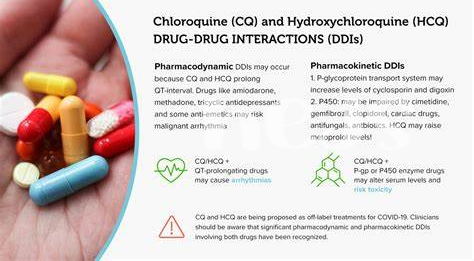
Electrocardiogram monitoring revealed QT prolongation and rare torsades; risk rose with higher doses and combined QT‑prolonging drugs.
Large trials and observational cohorts quantified increased adverse events, though absolute risks varied; causality assessment considered confounders and concomitant therapies.
Clinicians balanced uncertain benefit against clear safety concerns, prompting guideline changes and intensified pharmacovigilance during studies and clinical use. Regulatory agencies issued cautions while research continued to refine risk estimates further.
Meta Analyses and Systematic Reviews: Synthesizing Conflicting Data
When individual trials painted divergent pictures, pooled analyses became the map readers relied on. Meta-analyses aggregated randomized and observational studies to estimate average effects, while systematic reviews critiqued methods and bias across reports. They offered a way to weigh noisy findings and to detect publication bias visually and statistically.
Early pooled summaries suggested little or no benefit of hydroxychloroquine for treatment or prevention, though confidence intervals and study heterogeneity left some questions open. Sensitivity analyses showed results shifting when low-quality or non-randomized data were excluded. However, varying inclusion criteria and rapid study releases during the pandemic complicated interpretation.
These syntheses highlighted consistent safety signals, clarified that small positive trials were often outweighed by larger, rigorous studies, and recommended focusing resources on better-designed trials for specific subgroups and timing. Clearer trial registries and adherence to reporting standards were urged. Global collaboration.
Subgroups and Timing: When Treatment Might Matter
Clinicians chased hope early, imagining a simple pill could change outcomes. Subgroup analyses suggested possible signals in mild cases or when given very early, prompting deeper, targeted investigations and replication.
Later trials stratified patients by age, comorbidity, viral load, and exposure timing. Trends were inconsistent: some subgroups hinted benefit, but confidence intervals remained wide and uncertain, requiring larger trials now.
Mechanistic plausibility and timing—prevention versus treatment—matter. For hydroxychloroquine, early post-exposure or prophylactic effects remain debated, and precise subgroup definitions will guide future use and justify focused randomized trials worldwide urgently.
| Subgroup | Timing | Signal |
|---|---|---|
| Early | Within 48h | Weak |
Lessons Learned: Research Integrity, Politics, Future Directions
The controversy around early enthusiasm taught scientists that speed cannot trump rigor. Small, underpowered studies and incomplete reporting created false hope and confused clinicians; preregistration, proper randomization and open protocols are non-negotiable tools to prevent similar missteps. Routine independent data audits and public access to raw datasets are essential.
Political interference and amplified anecdote underscored the need for clear communication channels between researchers, regulators and the public. Independent oversight, transparent data sharing and careful messaging during crises preserve trust and allow evidence to guide care rather than headlines. Media literacy campaigns help the public interpret evolving evidence.
Looking ahead, adaptive platform trials, global collaboration and investment in rapid but rigorous infrastructure will speed answers without sacrificing quality. Prioritizing equity in trial enrollment, standardized safety monitoring and accessible datasets will strengthen preparedness for future repurposing efforts and actionable preapproved protocols worldwide.