
Click HERE To Buy Finasteride Online ↓
 Finasteride Dosing Guide: Timing and Best Practices
Understanding Finasteride: How It Works Daily
I started taking finasteride daily as a small, intentional ritual — a single pill that quietly changes a biochemical conversation in my body. Finasteride blocks the enzyme 5-alpha-reductase, lowering dihydrotestosterone (DHT) levels that shrink susceptible hair follicles. Although the pill is absorbed and cleared within hours, its effect on follicle signaling accumulates, so consistent daily dosing is needed to maintain reduced DHT and slow hair miniaturization.
Expect subtle change: measurable improvement often appears after three to six months, with fuller results by a year. Side effects are uncommon but possible, so daily records of mood, libido, or physical changes help conversations with your clinician. Because steady suppression matters more than exact hour, choose a time you’ll reliably remember. Pairing the pill with a simple routine—hydration, a morning toothbrush, or bedtime wind-down—improves adherence and long-term benefits. Track progress with photos monthly.
| Target | Daily note |
|---|---|
| 5α-reductase | Continuous suppression |
| DHT | Levels drop over weeks |
Recommended Dosage Ranges and Timing Options
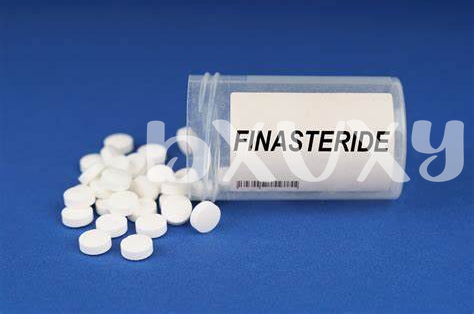
Most men start with a single 1 mg tablet daily; this simple ritual stabilizes hormone activity and slows hair loss under guidance.
Some providers consider alternate schedules—every other day or twice weekly—only when side effects appear or sensitivity arises. Efficacy differences are subtle and require months to judge.
Timing (morning or night) matters less than consistency; choose what fits your routine to maintain steady finasteride levels.
Discuss tailoring dose with a clinician for scalp or urinary concerns, and follow labs if treatment continues long-term. Monitor sexual function and mood regularly.
Morning Versus Night: Finding Your Best Schedule
I used to wrestle with timing—early alarm or nightcap—before settling into a simple rhythm. Choosing a consistent time each day matters more than morning versus evening. For most people, taking finasteride with routine activities—brushing teeth or after dinner—helps build adherence and reduces missed doses consistently.
Morning dosing suits active schedules and people who take other pills at breakfast; it aligns with routines. Evening dosing may fit those taking multiple medications at night or who notice mild tiredness. Choose one time, keep it consistent, and monitor for changes in mood, libido, or other side effects carefully.
If you travel or change schedules, set reminders or use a pillbox to preserve consistency. Discuss timing preferences with your clinician—certain health conditions or concurrent drugs might shift the recommendation. Small, steady habits yield the best outcomes with finasteride, so prioritize consistency over the clock.
Managing Missed Doses and Catch up Plans

I once skipped a tablet before a business trip and worried about losing progress; don’t panic if this happens occasionally. Finasteride works over weeks, so a single missed day won’t erase benefits, but consistency matters.
If you remember quickly, take the missed dose right away; however, if the next scheduled dose is near, skip it to avoid doubling. Never double doses. For confusion about timing, ask your pharmacist for advice.
Build a reliable routine: pair your pill with a daily activity like breakfast or brushing teeth, set phone alarms, use pillboxes. These small habits reduce lapses and help maintain the steady exposure finasteride needs consistently.
If you miss several doses or notice changes in hair, libido, mood, symptoms, contact your healthcare provider. They can assess whether timing adjustments, switching strategies, or additional treatments are needed to preserve safety and results.
Side Effect Monitoring and When to See Doctor
I started tracking symptoms carefully after beginning finasteride, noting mood shifts, libido changes, or breast tenderness. Small daily logs make subtle trends visible before they escalate. Document medication timing, diet, and stress to help identify triggers for better care.
If you notice persistent sexual side effects, significant mood changes, or any swelling or nipple discharge, contact your healthcare provider promptly. Mild transient issues often resolve, but new or worsening signs warrant professional review and, occasionally, blood testing.
Emergency symptoms such as severe allergic reactions, sudden shortness of breath, or chest pain require immediate attention. Keep a list of medications and recent doses handy for appointments, and discuss alternatives if side effects interfere with daily life.
| Symptom | Recommended action |
|---|---|
| Persistent sexual changes | Contact provider |
Combining Finasteride with Other Treatments Safely
When pairing finasteride with topical minoxidil or low‑level laser therapy, many people find complementary benefits. Start slowly, introduce one treatment at a time, and track scalp responses and sexual function. Communicate with your clinician about prescription interactions, especially if you take hormonal or blood‑pressure medications.
Topical agents rarely interact systemically, but confirm ingredients and avoid simultaneous application that irritates the scalp. Report adverse effects promptly; your provider may adjust doses, stagger timing, or recommend alternative therapies like PRP or dutasteride when appropriate. Safety first—regular labs and honest dialogue matter always.