
Click HERE To Buy Clindamycin Online ↓
 Clindamycin and Antibiotic Resistance — Causes and Prevention Tips
How Clindamycin Works and When Prescribed
As the clinician reads the chart, she reaches for clindamycin—a lincosamide that binds the 50S ribosomal subunit and halts bacterial protein synthesis. Its action is often bacteriostatic but can occasionally be bactericidal against certain pathogens.
It is chosen for anaerobic infections, bone and soft tissue infections, serious skin infections including community-acquired MRSA when susceptibility allows, and dental or gynecologic infections. Oral and IV routes provide flexible dosing across care settings.
Before use, susceptibility testing and an inducible resistance (D-test) should guide therapy; macrolide cross-resistance can render it ineffective. Clinicians must also weigh increased Clostridioides difficile risk and monitor for gastrointestinal adverse effects including severe colitis.
In practice, decision-making balances rapid clinical need with stewardship principles: use narrowest effective spectrum, shortest proven duration, and switch to targeted therapy once cultures return. Patient education about side effects improves adherence and safety outcomes.
| Indication | Caution |
|---|---|
| Anaerobic infections | Clostridioides difficile |
Mechanisms Behind Resistance to Lincosamide Antibiotics
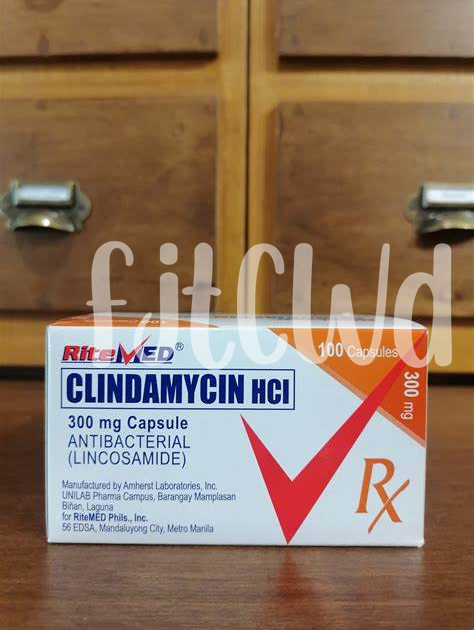
Bacteria often outmaneuver antibiotics using molecular tricks. The most common defense alters the ribosomal target: methyltransferases modify 23S rRNA (erm genes), preventing drug binding. Other tactics include active efflux pumps that eject the molecule, enzymatic inactivation of the drug, and point mutations that reduce binding affinity.
Genes encoding these mechanisms travel on plasmids and transposons, enabling rapid spread between strains. Inducible resistance can be missed by routine tests, so clinicians risk treatment failure when using clindamycin. Vigilant susceptibility testing, antimicrobial stewardship, and limiting unnecessary use slow selection and curb dissemination.
Common Causes Driving Clindamycin Resistance Emergence
At first it seemed like bad luck: patients relapsing after standard courses. Detailed tests revealed that overuse and misuse of clindamycin had silently selected resistant strains in the community.
Widespread empirical prescribing, incomplete adherence, and agricultural antibiotic application create overlapping selection pressures. Mobile genetic elements, like erm genes, then spread resistance rapidly between bacteria and settings.
Laboratory diagnostics are often slow or unavailable, pushing clinicians to choose broad therapy instead of targeted treatment. That empiricism amplifies resistance and erodes clindamycin’s future usefulness.
Surveillance gaps and poor infection control let resistant strains establish local footholds, while international travel and patient transfers carry them further, turning isolated events into regional threats demanding coordinated response and urgent stewardship.
Clinical Consequences: Treatment Failures and Spread Risks
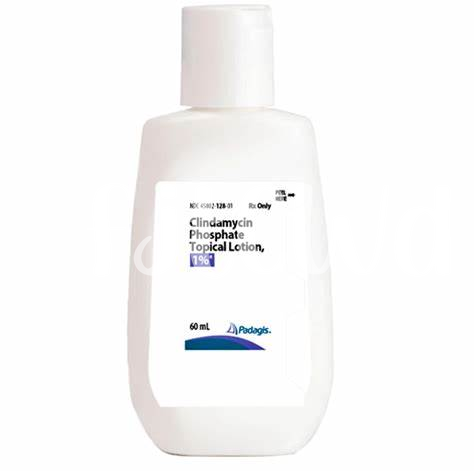
A patient returns weeks later with an infection that worsened despite therapy; clindamycin’s lost activity turns confident cure into frustrating relapse, eroding trust and complicating care decisions and increasing costs.
Resistance forces clinicians to use broader-spectrum agents, raising toxicity risk and selecting resistant organisms; hospital outbreaks can follow when colonized patients spread resistant strains across wards and to vulnerable populations.
Diagnostic delays and repeat admissions extend illness duration, drive up antimicrobial consumption, and hinder infection control; public health systems bear the burden as community carriage of resistant clindamycin-non-susceptible bacteria grows.
Stewardship Strategies to Preserve Clindamycin Effectiveness
Clinicians can protect clindamycin’s usefulness by making each prescription intentional: confirm bacterial infection, use culture and susceptibility testing, choose narrow-spectrum agents when possible, optimize dose and duration, and de-escalate therapy once results arrive. Framing these choices as patient-centered stories—shorter courses that cure infection and spare future options—helps teams adopt cautious prescribing as routine practice.
At institutional level, implement clear guidelines, regular audit-and-feedback, rapid diagnostics, and robust infection control; track local resistance and report trends to clinicians and pharmacy committees.
| Action | Purpose |
|---|---|
| Prescribing review and feedback | Reduce unnecessary clindamycin use |
| Rapid diagnostics and susceptibility reporting | Enable targeted therapy and de-escalation |
| Education for clinicians and patients | Improve adherence, hygiene, and vaccination |
Practical Prevention Tips for Clinicians and Patients
Clinicians should treat like detectives: confirm infection before choosing clindamycin, obtain cultures and sensitivities when possible, and prefer narrow-spectrum agents. Use guideline-recommended doses and the shortest effective duration, de-escalate therapy when results permit, and document indications clearly. Counsel patients about gastrointestinal side effects and C. difficile risk, check for drug interactions and allergy history, and coordinate with infection-control teams to track local resistance trends.
Patients can help preserve effectiveness by taking clindamycin exactly as prescribed—complete the course, never use leftovers or someone else’s medicine, and avoid pressuring clinicians for antibiotics for viral symptoms. Practice good hygiene and wound care, report severe diarrhea or allergic reactions promptly, and attend follow-up visits if symptoms persist. Dispose of unused antibiotics safely through take-back programs, ask your provider about probiotic options, and stay informed about why judicious use protects both you and the community today.