
Click HERE To Buy Cipro Online ↓
 Ciprofloxacin Vs Alternatives: Choosing the Right Antibiotic
How Ciprofloxacin Works: Mechanism and Coverage
A fast-acting fluoroquinolone, ciprofloxacin ties a detective’s precision to molecular mechanics: it traps bacterial DNA gyrase and topoisomerase IV, blocking DNA replication and causing lethal double-strand breaks. This mechanism gives rapid bactericidal activity, especially against many Gram-negative pathogens, including Pseudomonas and Enterobacterales.
It also has variable Gram-positive and atypical coverage, making it useful for certain respiratory and urinary infections, but gaps remain: anaerobes and some staphylococci are less susceptible. Clinical choice depends on susceptibility data and infection site, balancing potency with resistance risk and patient-specific safety considerations remain essential always.
| Target | Typical activity |
|---|---|
| Gram-negative rods | High |
| Pseudomonas aeruginosa | Variable—often active |
| Gram-positive cocci | Variable |
When Alternatives Outperform Ciprofloxacin: Clinical Scenarios
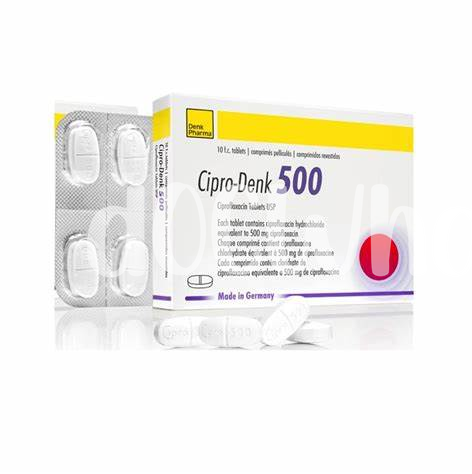
In respiratory infections caused by Streptococcus pneumoniae, choosing a beta-lactam plus macrolide often outperforms cipro because of superior pneumococcal coverage.
Complicated urinary tract infections with ESBL-producing Enterobacterales require carbapenems or newer beta-lactam/beta-lactamase inhibitors rather than fluoroquinolones.
For skin and soft tissue infections, anti-staphylococcal agents or doxycycline target MRSA more reliably; cipro lacks consistent MRSA efficacy.
In pregnancy or when QT prolongation risk or tendon disorders are concerns, clinicians prioritize safer alternatives guided by culture results and local resistance patterns. Shared decision-making with patients improves adherence and outcomes in many cases.
Comparing Safety Profiles: Side Effects and Risks
When choosing an antibiotic, safety often guides the decision. cipro offers broad coverage, but stories of adverse effects shifted clinician caution and patient concern and regulatory warnings have influenced prescribing.
Common side effects include gastrointestinal upset and mild CNS symptoms, yet rare events—tendon rupture, peripheral neuropathy, and QT prolongation—carry disproportionate impact when they occur, especially in older adults.
Alternatives like beta-lactams limit tendon and neuropathy risks but raise allergy and C. difficile concerns; macrolides risk QT issues; doxycycline is gentler but not universally effective, and local susceptibility matters.
Clinicians balance individual risk factors—age, comorbidity, concomitant drugs—and counsel patients about warning signs. Thoughtful selection, tailored monitoring, and shared decision-making reduce harm while preserving efficacy and context.
Resistance Trends: Why Choice Depends on Local Data

Clinicians often remember a time when cipro reliably cleared many infections; rising resistance has altered that narrative. Laboratory surveillance now shows geographic variability and clonal outbreaks, so a once-reliable agent may fail locally.
Local antibiograms tell a different story across cities and wards, guiding empiric choices toward drugs with preserved activity. Rapidly updated susceptibility patterns can flip empiric recommendations within months, emphasizing real-time decision making.
In urinary tract infections, for example, high fluoroquinolone resistance favors nitrofurantoin or trimethoprim-sulfamethoxazole when susceptibilities allow, while bloodstream infections require broader surveillance and tailored therapy. Surgical site and respiratory infections have their own resistance signatures requiring hospital-specific data.
Stewardship teams and lab reports should be consulted before choosing therapy, because recent travel, prior antibiotic exposure, and local trends shape likely pathogens and treatment success. Prescribing must balance efficacy, collateral damage, adverse events, and community impact.
Special Populations: Pregnancy, Elderly, and Pediatric Considerations
In pregnancy, antibiotic choice is a delicate balance between efficacy and fetal safety. Many clinicians avoid fluoroquinolones like cipro because of cartilage concerns observed in animal studies, favoring beta-lactams or macrolides when possible. However, severe maternal infections may justify broader agents after specialist consultation.
Elderly patients often present with polypharmacy, renal impairment, and increased susceptibility to adverse effects such as tendinopathy, QT prolongation, or delirium; dose adjustments and drug-interaction checks are essential. Alternatives that are renally dosed or have a safer cardiac profile can reduce harm while treating the infection effectively.
In children, safety data limit fluoroquinolone use to specific indications; where needed, pediatric infectious disease input guides dosing and monitoring. Shared decision-making, clear monitoring plans, and local resistance data ensure the chosen antibiotic matches both patient vulnerability and pathogen risk.
| Group | Note |
|---|---|
| Pregnancy | Avoid cipro |
| Children | Use with caution |
Practical Decision Guide: Choosing Antibiotics Safely and Effectively
Start by assessing the infection’s source and severity, then match to local susceptibility patterns and patient allergies. For uncomplicated infections, choose the narrowest spectrum agent with proven efficacy; reserve broad spectrum drugs for confirmed resistant organisms or systemic illness. Consider renal and hepatic function when dosing, and weigh drug interactions that could amplify toxicity or reduce effectiveness.
Monitor clinical response within 48 to 72 hours and be ready to de-escalate based on culture results; stopping antibiotics when unnecessary prevents harm. In special populations, adjust choices, avoid fluoroquinolones in pregnancy and children when alternatives exist, and use lower doses or longer intervals in frail elders. Educate patients about adherence, side effects to report, and completing courses. When in doubt, consult infectious disease specialists or stewardship teams to balance individual benefit against public health risks and preserve antibiotic effectiveness for future patients.